Tosho Daigongen (Tokugawa Ieyasu)
徳川家康(東照大権現)
Deified shogun who ruled Japan
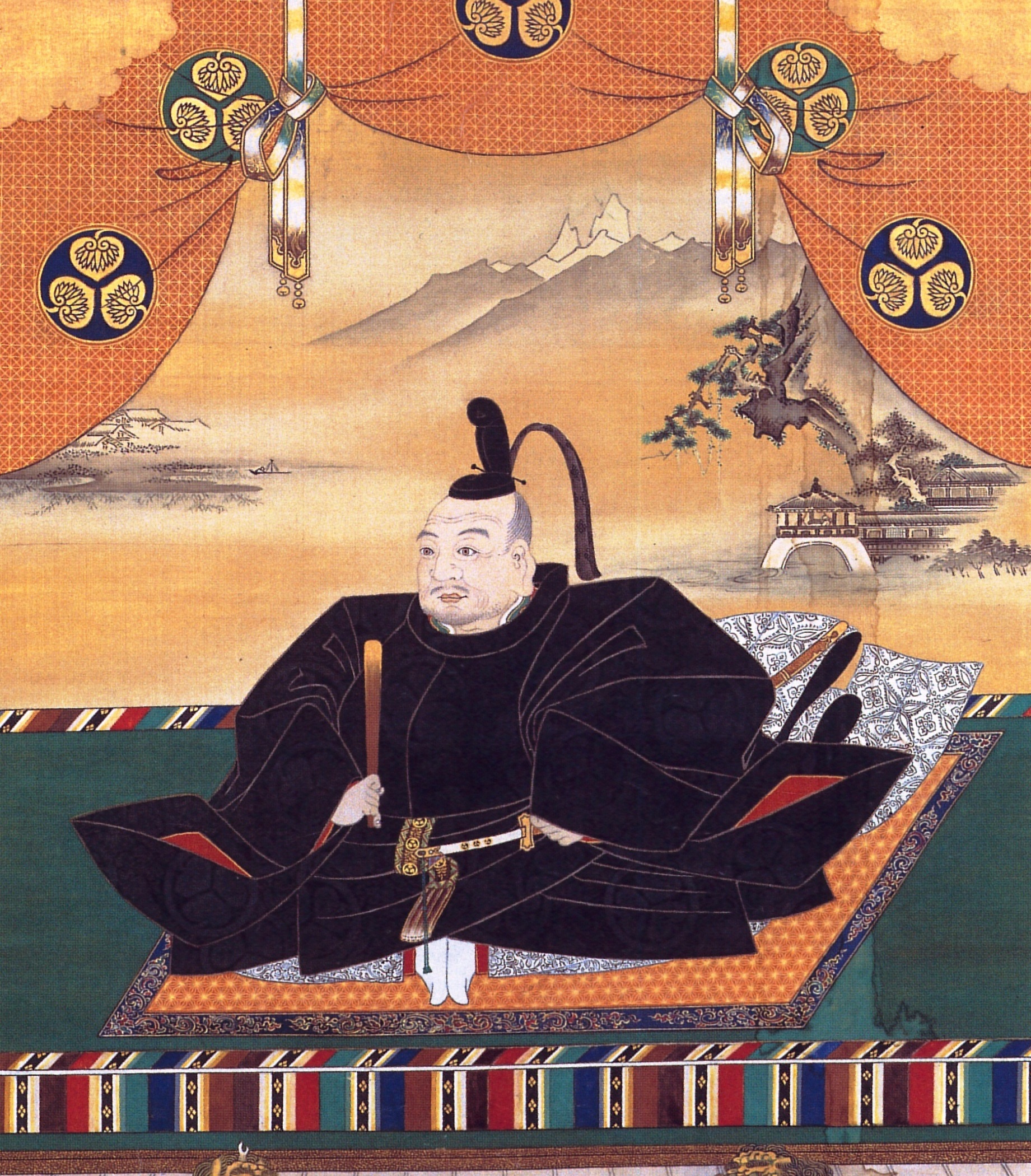
Tokugawa Ieyasu, founder of the Edo shogunate, is worshipped as a deity. Nikko and Kunozan are the main centers of his worship.
About
After Tokugawa Ieyasu died, the imperial court gave him the divine title Tosho Daigongen. Gongen means a Buddha appearing in the form of a Shinto deity. Ieyasu was regarded as a manifestation of Yakushi Nyorai (Medicine Buddha). According to his final wishes, he was buried at Kunozan and later enshrined at Nikko. Toshogu shrines were then built throughout Japan to worship him as a guardian of the shogunate.
The story
Before his death, Ieyasu is said to have left instructions: 'Place my body at Kunozan. After the first anniversary of my death, build a small hall at Nikko and enshrine me there. I will become the guardian of the eight provinces of Kanto.' Nikko lies directly north of Edo. It is said that he chose this location to protect the shogunate like the unmoving North Star. Nikko Toshogu was extensively rebuilt by the third shogun, Tokugawa Iemitsu. Its magnificent buildings were created using the finest skills and great wealth of the time. The shrine is famous for its carvings of the Sleeping Cat and the Three Wise Monkeys.
What people pray for
Because Ieyasu ruled Japan, people worship him for career success, good fortune, and protection from misfortune. He also took care of his health and lived to the age of 75, so some visitors pray for long life.
How to recognize their shrines
Shrines dedicated to him are called Toshogu. They share architectural features known as Gongen-zukuri, including black lacquer and bright colors. The three-leaf hollyhock crest appears throughout the buildings.
Also known as
Gongen-sama / Tokugawa Ieyasu-ko


