Deities
Who is enshrined there?
Every shrine and temple is home to a deity. Shinto shrines enshrine kami, the gods of Japanese myth and nature. Buddhist temples enshrine buddhas and their guardians. Learn who they are, what people pray to them for, and where you can visit them.
Kami — Shinto gods
The First Gods of Japan
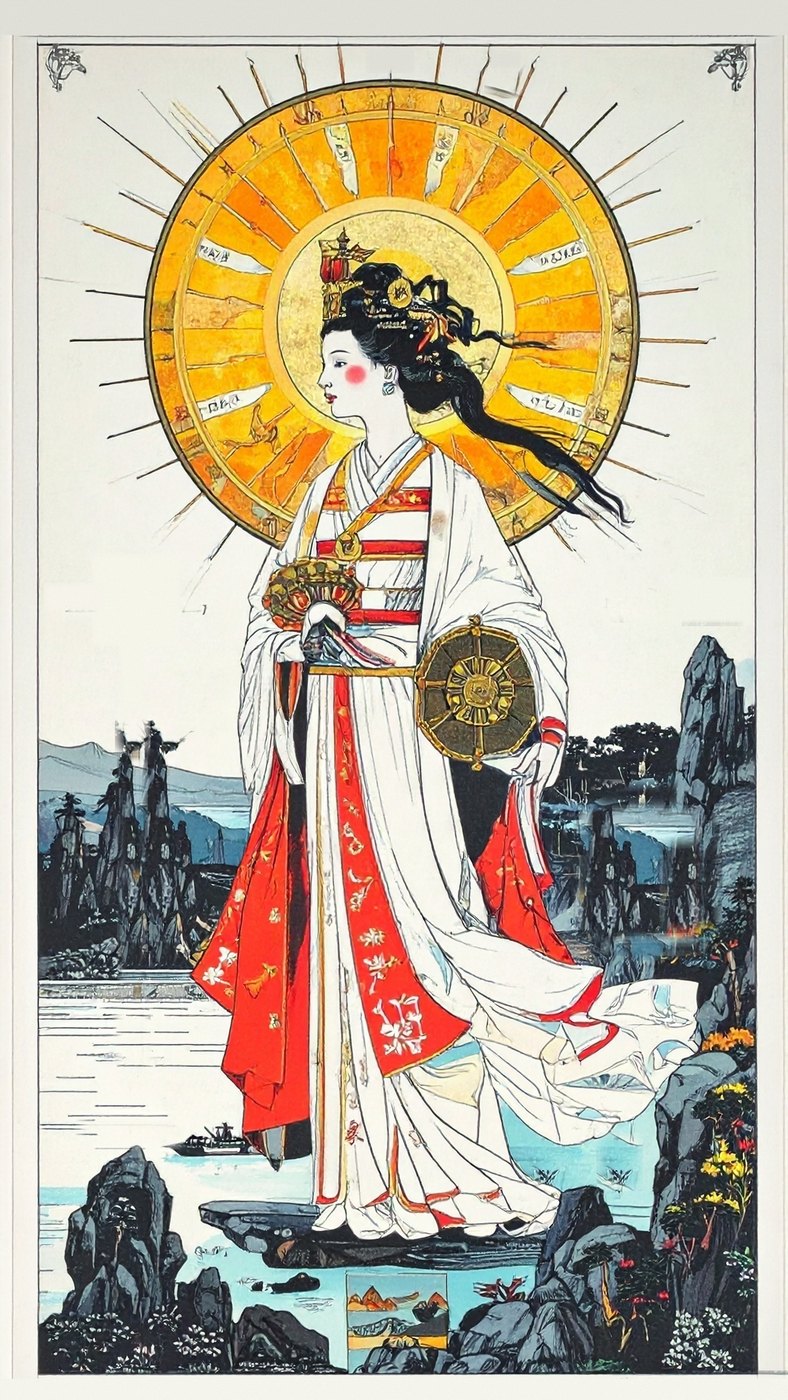 Amaterasu天照大御神Sun goddess and imperial ancestorThe sun goddess who rules Takamagahara, the heavenly realm. Enshrined at the Inner Shrine of Ise Jingu.
 Susanoo須佐之男命God of storms and strengthA fierce deity who was driven out of Takamagahara and defeated the eight-headed serpent Yamata no Orochi in Izumo.
 Izanagi and Izanami伊邪那岐・伊邪那美The divine couple who created the landA divine couple said to have given birth to the islands of Japan and many deities.
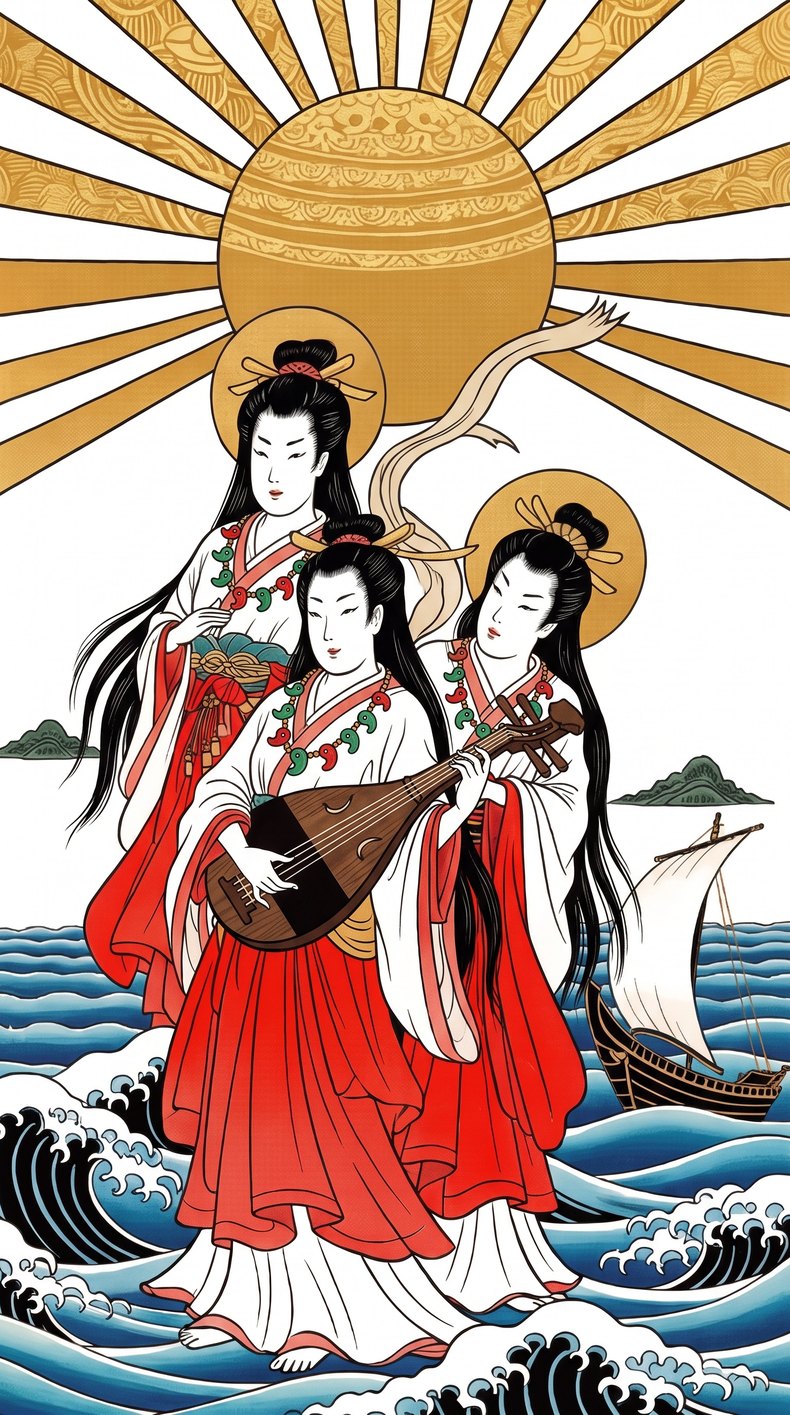 Munakata Sanjojin (Three Munakata Goddesses)宗像三女神Goddesses of the sea and travel routesThree goddesses who protect sea routes across the Genkai Sea. One of them, Ichikishima-hime, also became associated with Benzaiten.
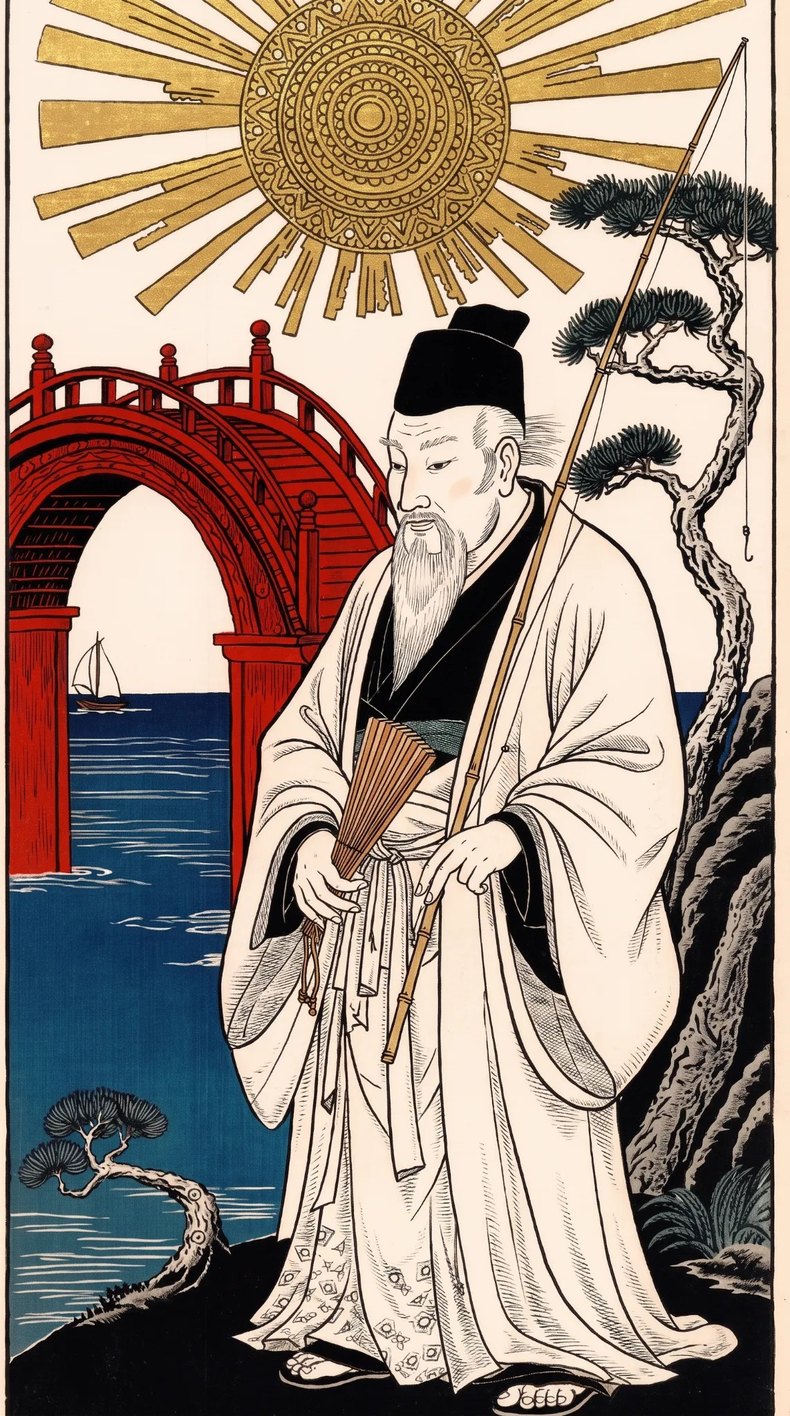 Sumiyoshi Sanjin (Three Sumiyoshi Gods)住吉三神Gods of sea voyages and waka poetryThree sea deities born during Izanagi's purification. Worshipped as guardians of safe voyages.
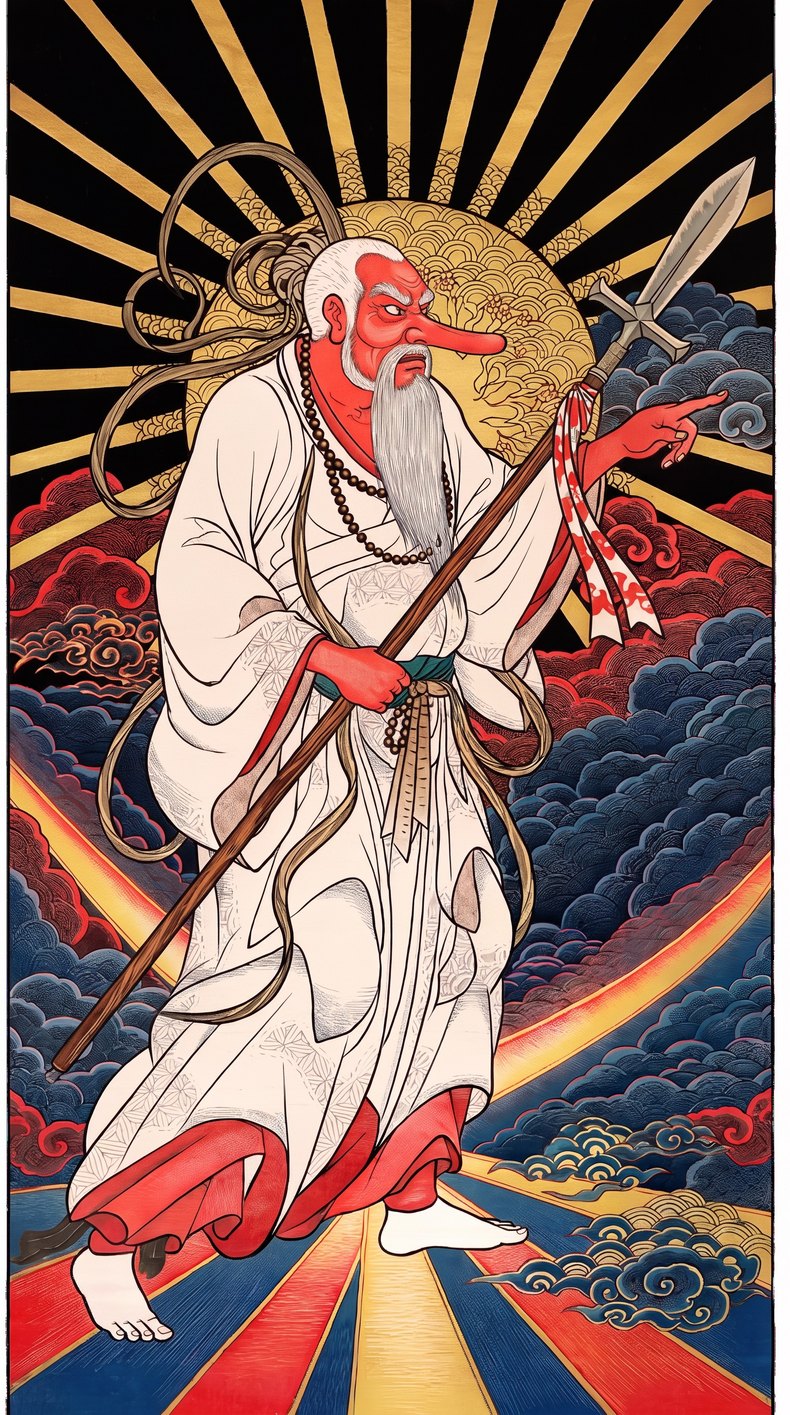 Sarutahiko猿田彦神God who opens the wayThe deity who guided Ninigi during his descent from heaven. A guardian of travel and new beginnings.
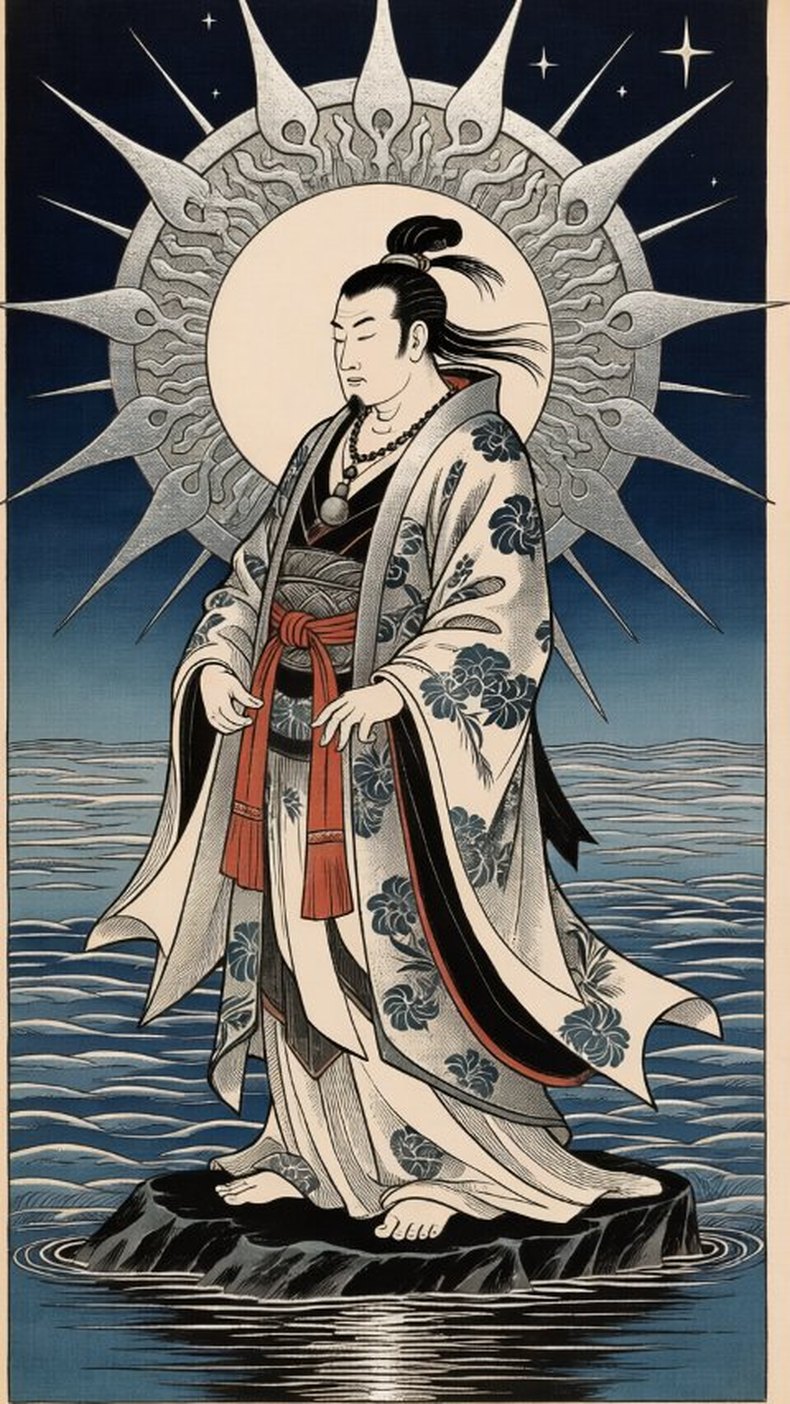 Tsukuyomi月読命God of the moon and nightThe moon deity born alongside Amaterasu and Susanoo during Izanagi's purification.Omoikane八意思兼命God of wisdom and thoughtful planningThe wise deity who devised a plan to open the Heavenly Rock Cave. His name suggests the ability to bring many thoughts together.Amatsuhikone天津彦根命An ancestral deity born from a sacred oathOne of five male deities born from Amaterasu's magatama jewels. Enshrined at Tado Taisha.Tajikarao天手力雄命God of strength who opened the rock caveThe powerful deity who forced open the Heavenly Rock Cave and pulled Amaterasu outside.Futodama天太玉命Ancestral god of craftsmanshipThe deity who prepared the ritual objects in the Heavenly Rock Cave myth. Regarded as an ancestor of many industries.Futsunomitama布都御魂大神Divine power within a sacred swordThe sacred sword itself is worshipped as the deity who saved Emperor Jinmu during his eastern expedition. A guardian deity of the Mononobe clan.
Izumo and the Making of the Land
 Okuninushi大国主命God of nation-building and relationshipsThe deity who helped build the land of Izumo before handing it over to the heavenly descendants. Famous for bringing good relationships and love.
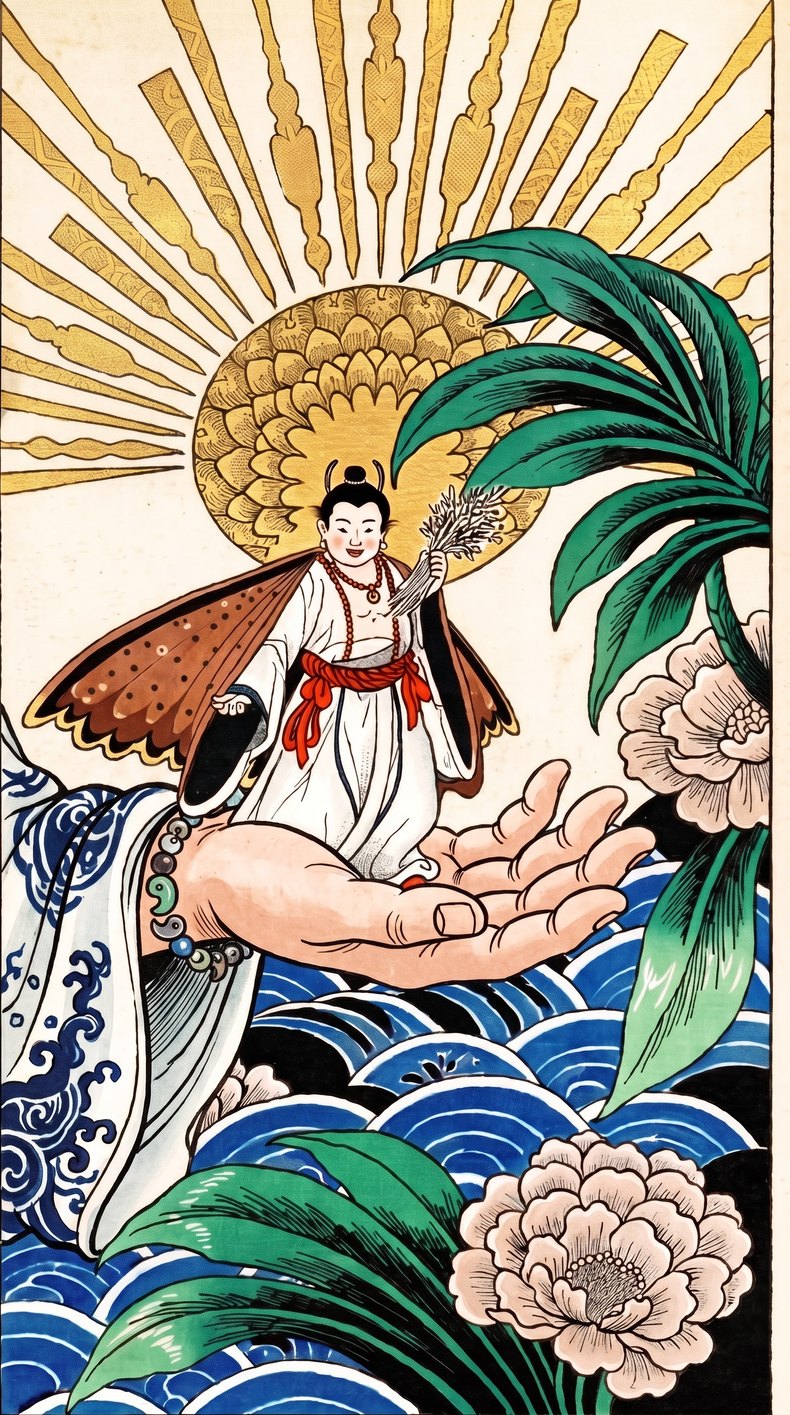 Sukunahikona少彦名命God of medicine and wisdomA small deity who helped Okuninushi develop the land.
 Ebisuえびす神God of business prosperity and fishingA deity of good fortune who comes from the sea. One of the Seven Lucky Gods.Kotoshironushi事代主神Son of Okuninushi, also worshipped as EbisuThe deity who agreed to the transfer of the land. His love of fishing led to his association with Ebisu, the god of business prosperity.Ajisukitakahiko味耜高彦根神God of thunder and farmingA son of Okuninushi who governs thunder and farming tools. Enshrined at the Ichinomiya of Tosa Province.
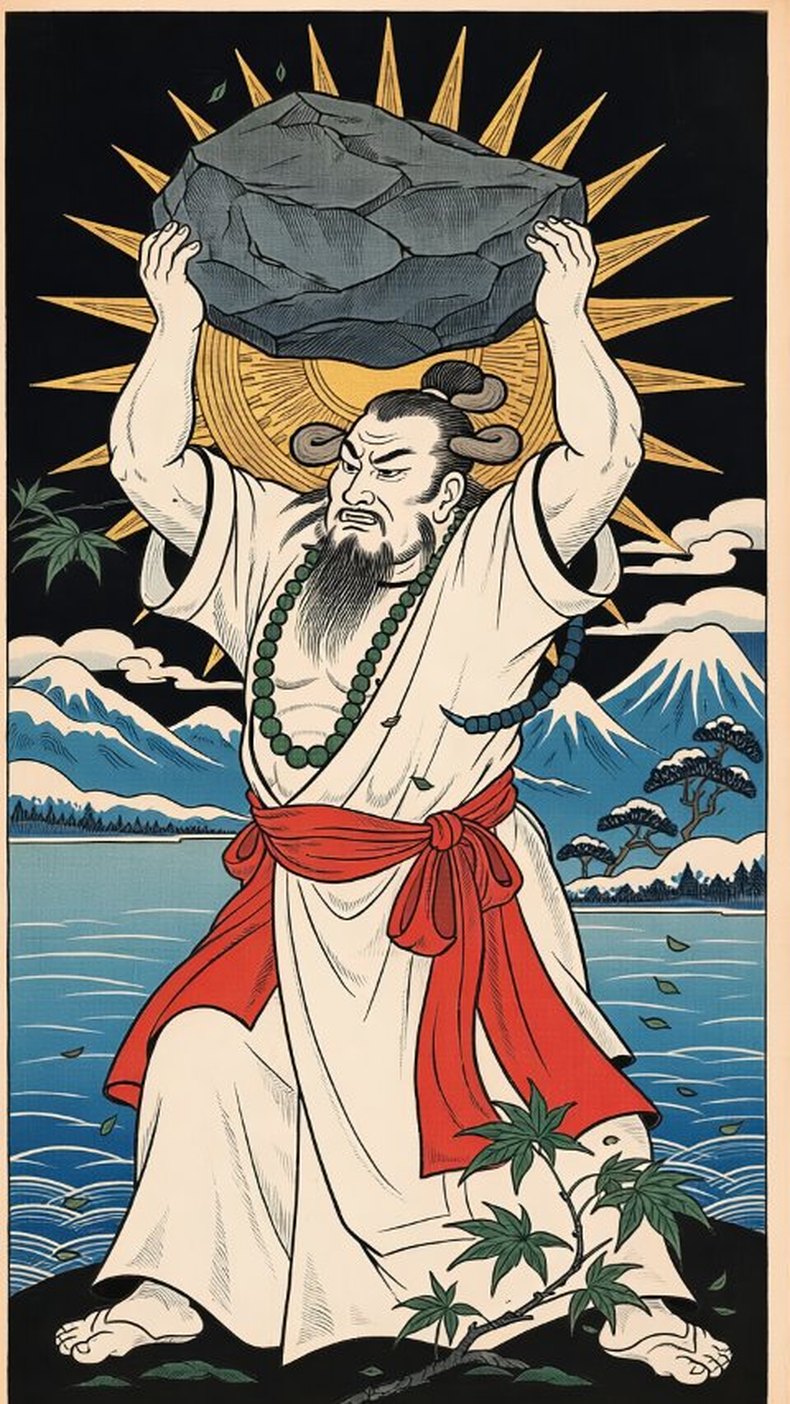 Takeminakata建御名方神God of Suwa and martial strengthA powerful deity who resisted the transfer of the land and settled in Suwa.
 Hakuto (White Hare)白兎神The divine hare of Japanese mythologyAn unusual deity: the hare from the famous myth of the White Hare of Inaba is worshipped as a god.
The Heavenly Grandson and the Imperial Line
 Hachiman八幡神God of victory and protectionEmperor Ojin is worshipped as a deity. Hachiman worship spread across Japan as warriors came to revere him as their guardian.
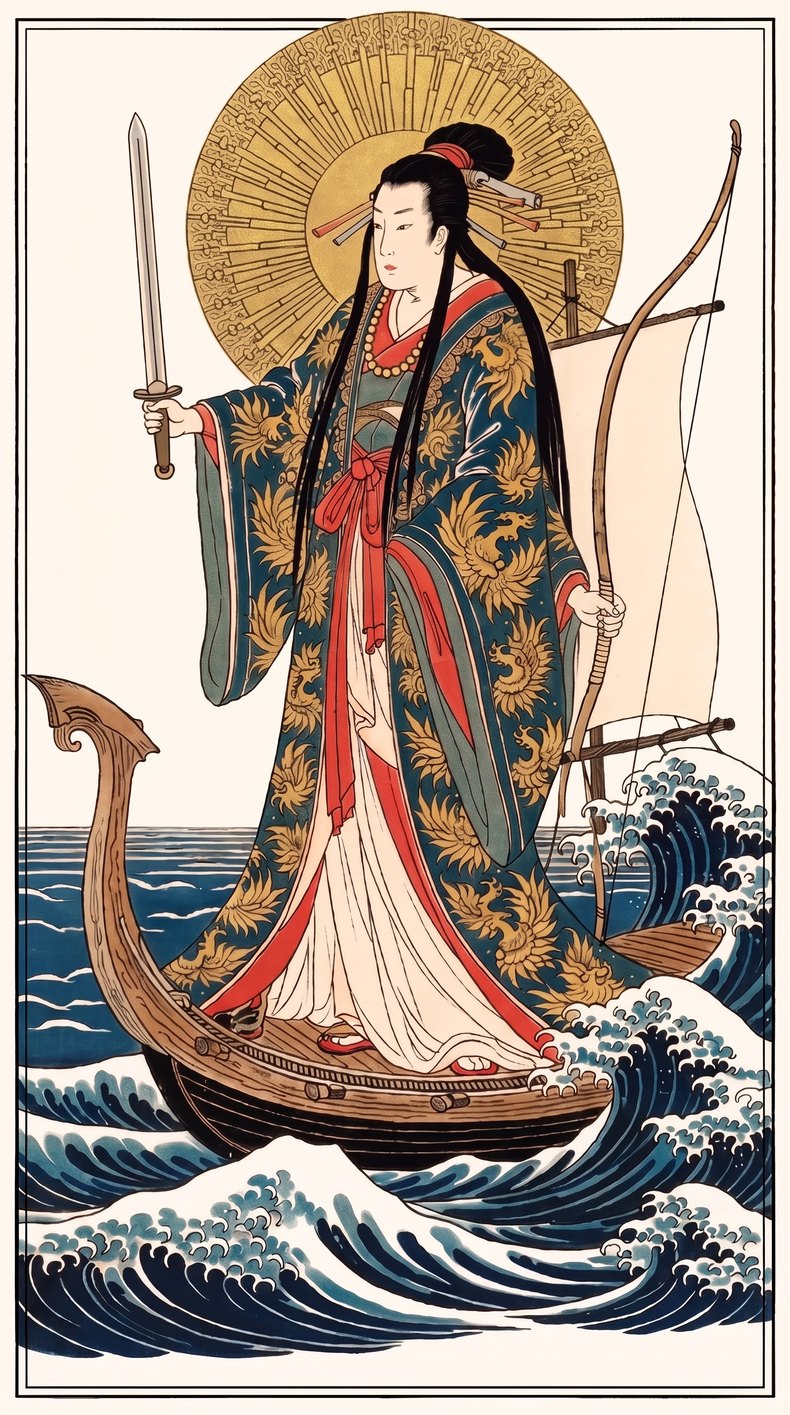 Empress Jingu神功皇后Empress who crossed the seaAn empress said to have crossed the sea while pregnant. She was the mother of Emperor Ojin.
 Yamatotakeru日本武尊Heroic deity who conquered eastern and western landsA tragic hero who traveled across Japan to bring different regions under control and died on his journey.
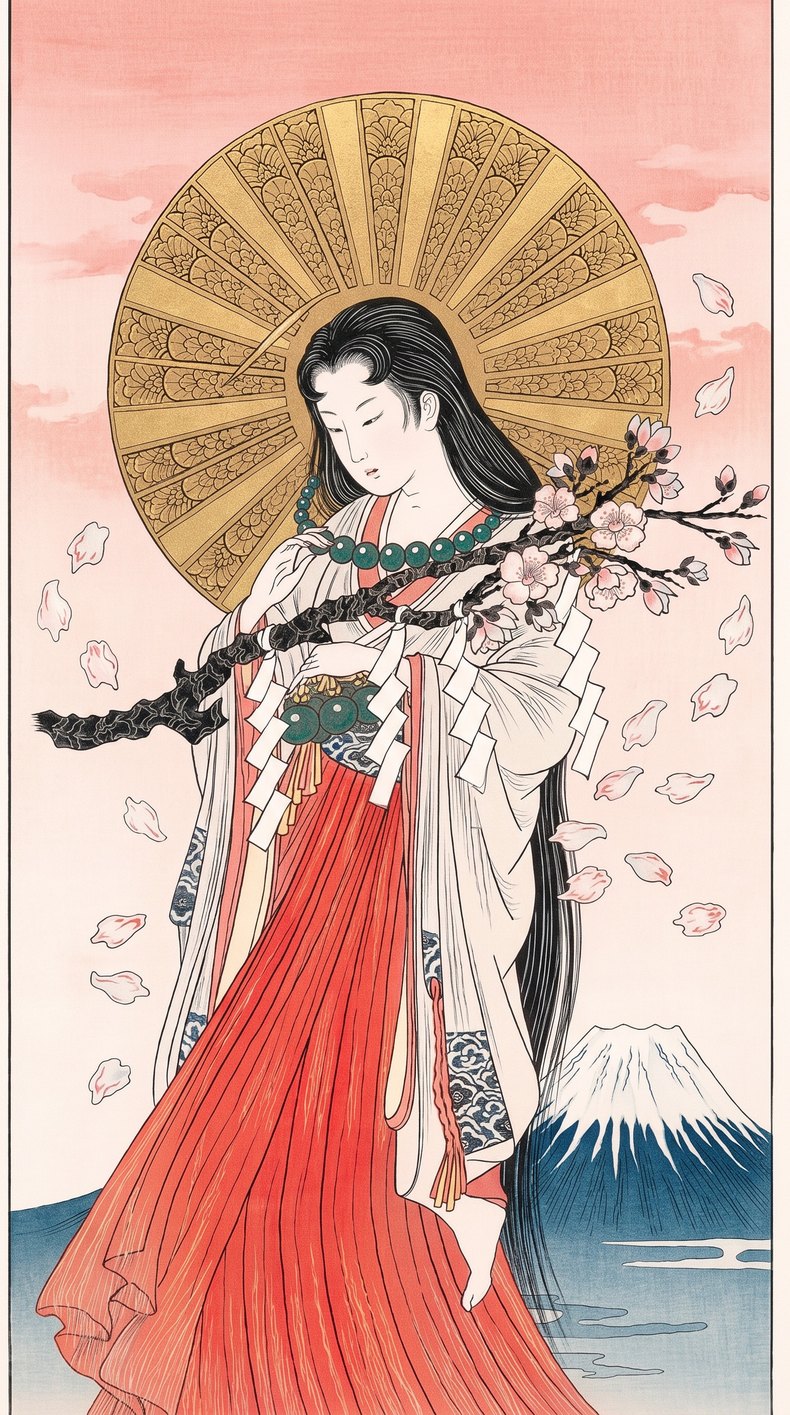 Konohanasakuya-hime木花開耶姫Goddess of mountains and fireThe goddess who calms Mount Fuji. She is enshrined at Sengen shrines.Emperor Jinmu神武天皇Japan's first emperorAccording to legend, he set out from Hyuga, traveled east, and became Japan's first emperor. His story concludes the myths of Japan's founding.
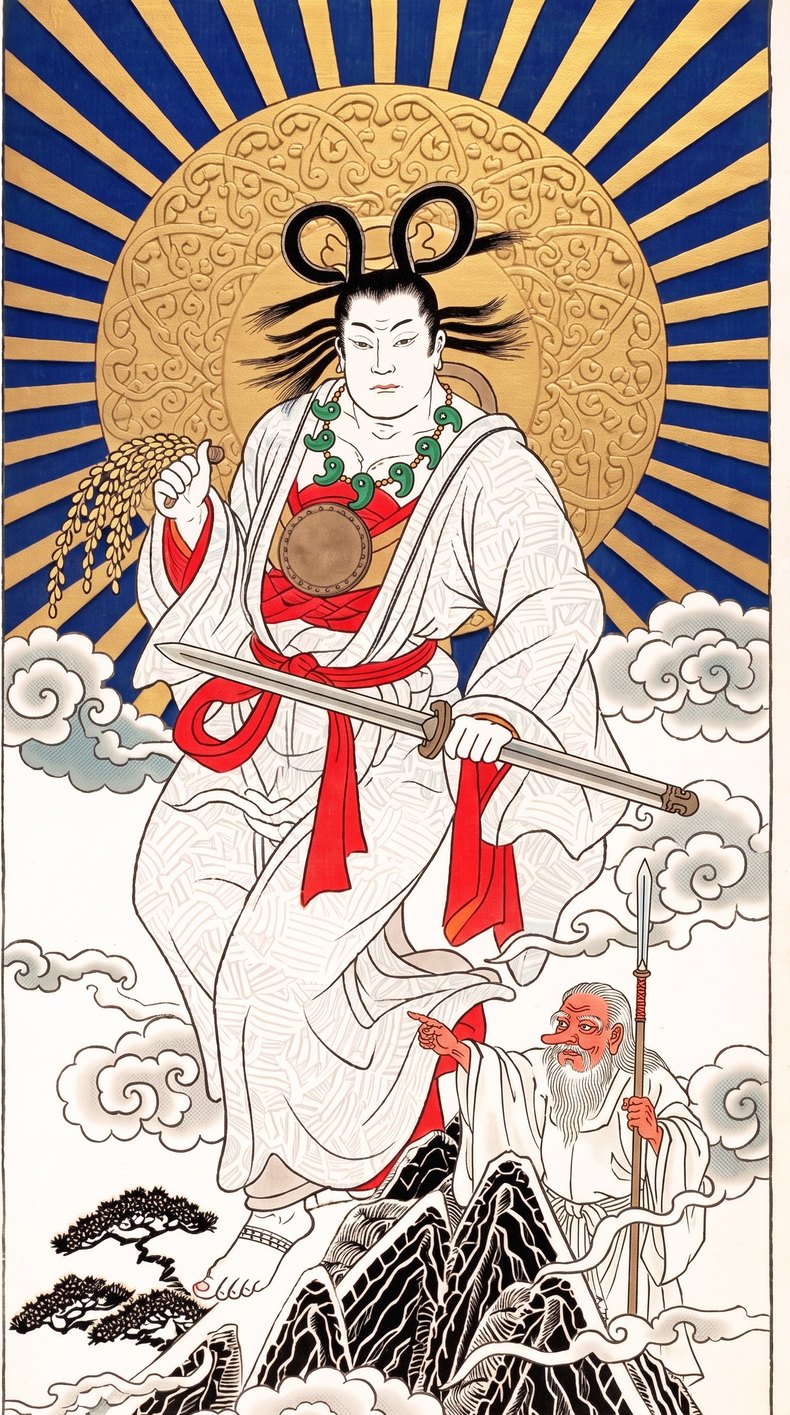 Ninigi瓊瓊杵尊God of rice who descended from heavenA grandson of Amaterasu who descended to earth. He is the central figure in the myth of the Heavenly Grandson's Descent.Hoori彦火火出見尊(山幸彦)God who visited the palace beneath the seaA deity who traveled to the sea god's palace to find a lost fishing hook and married a princess there.Ame-no-Koyane天児屋根命God who recites sacred prayersThe deity who recited sacred prayers to draw Amaterasu out of the Heavenly Rock Cave. An ancestral deity of the Nakatomi and Fujiwara clans.Ugayafukiaezu鵜草葺不合尊Father of Emperor JinmuThe third of the Three Generations of Hyuga, said to have been born before the roof of his mother's birthing hut was finished.Ame-no-Hoakari天火明命Ancestral deity of the Owari clanA deity said to be a grandson of Amaterasu and an ancestor of the clan that developed the Owari region.Oshihomimi天忍穂耳命Father of Ninigi and god of victoryThe eldest son of Amaterasu and father of Ninigi, the heavenly grandson.Yamatototohi-Momoso-hime倭迹迹日百襲姫命Princess and shrine maiden who heard divine messagesA princess said to have heard and shared the will of the deities. She is known for the story of her marriage to the deity of Mount Miwa.Hikohoakari彦火明命Ancestral deity of the Owari and Amabe clansA heavenly descendant regarded as an ancestor of the Owari clan and the Amabe family, the hereditary chief priests of Kono Shrine.
Gods of the Land and Daily Life
 Inari稲荷神God of rice harvests and commerceA deity who governs rice harvests and later became widely worshipped for business prosperity.Oyamatsumi大山積神God of mountains and the seaA mountain deity who also came to be worshipped by people who traveled by sea.
 Takemikazuchi武甕槌大神Warrior god of thunder and swordsThe thunder deity who secured the transfer of the land. Enshrined at Kashima and worshipped as a god of martial strength.Oyamakui大山咋神God who marks and governs mountain landA deity who marks mountain land with stakes and rules over it. He protects Mount Hiei and Mount Matsuo, and monkeys are his divine messengers.
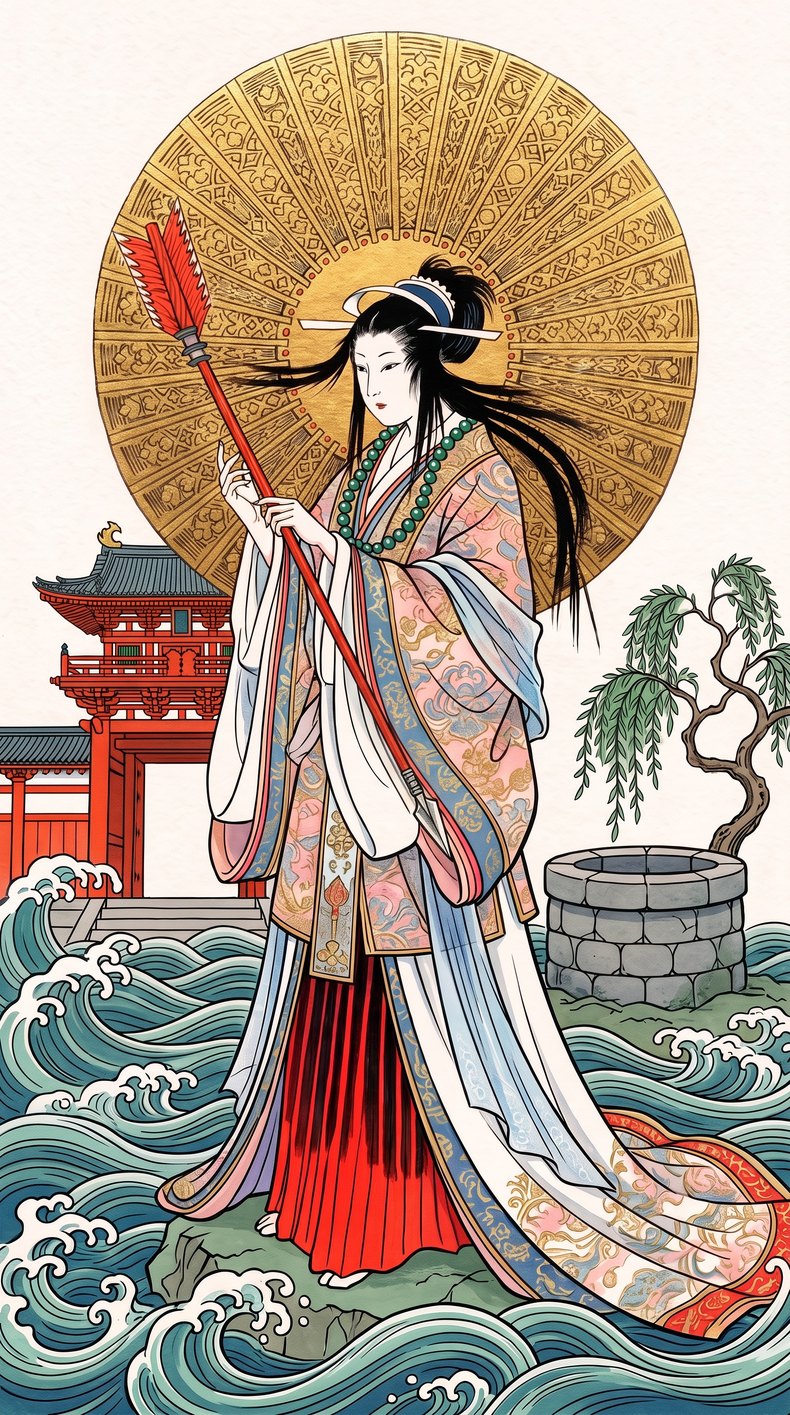 Tamayorihime玉依姫命Mother goddess of Emperor JinmuA daughter of the sea god who raised the father of Emperor Jinmu. She is worshipped for good relationships and love at shrines such as Kamado Shrine.
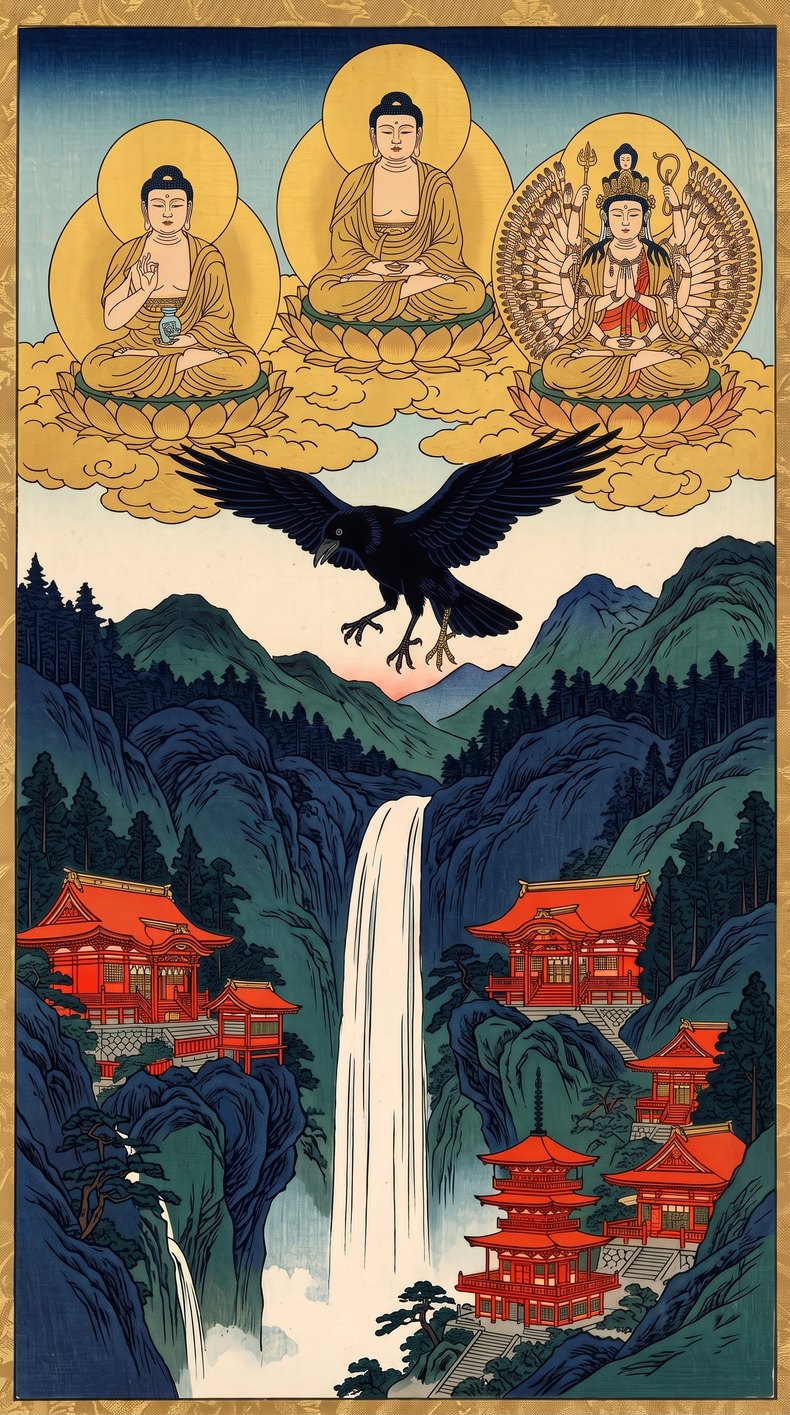 Kumano Gongen熊野三所権現Deities of rebirthThree deities enshrined at the Kumano Sanzan shrines. In medieval times, people of all social classes traveled to Kumano, a place believed to offer rebirth.
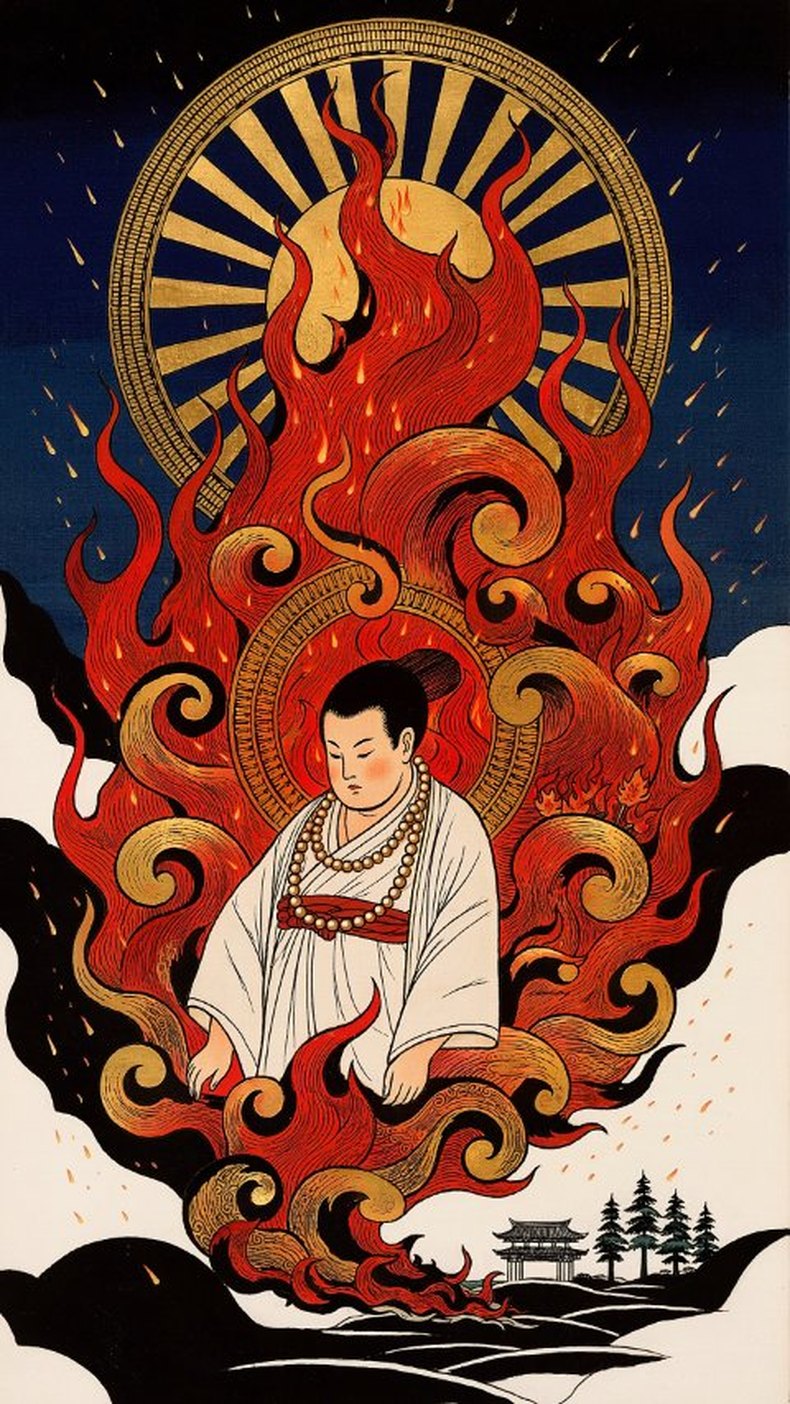 Homusubi火牟須比命Fire deity of the hot spring at Izusan ShrineA deity of fire. At Izusan Shrine, Homusubi is worshipped as the divine spirit of the hot spring that flows from the mountain.Futsunushi経津主大神God of swordsThe sword deity who helped secure the transfer of the land alongside Takemikazuchi. He is enshrined at Katori.Kanayamahiko金山彦命God of metals and minesA deity of mining and metalworking. A guardian of craftspeople and manufacturing.Takeiwatatsu健磐龍命God who opened the land of AsoA deity said to have kicked through the outer rim of the Aso mountains, draining a lake and opening the land for people to live.Kibitsuhiko大吉備津彦命Warrior deity who defeated a demonA prince said to have brought the Kibi region under control. His legend is believed to have inspired the story of Momotaro.Amanokaguyama天香山命God who developed EchigoA deity said to have crossed the sea to Echigo and taught people skills needed for daily life.Takaokami高龗神Dragon deity of waterA dragon deity who dwells in mountain valleys, brings rain, and governs water. Enshrined at Kifune Shrine in Kyoto.Kamo deities賀茂の神Deities of Kyoto's oldest shrinesThe deities enshrined at Kamigamo and Shimogamo shrines. Their worship is among the oldest traditions in Kyoto.Kukurihime菊理媛神Goddess who brings people togetherA goddess said to have stood between two deities arguing at the entrance to the land of the dead and helped them communicate.Wakahirume稚日女尊Young goddess of weavingA goddess who wove clothing for the deities in Takamagahara, the heavenly realm. She is enshrined at Ikuta Shrine in Kobe.Takehazuchi建葉槌命Weaving deity who subdued a star godA deity said to have calmed a rebellious star god through the power of weaving.Niutsuhime丹生都比売大神Goddess who gave land for Mount KoyaA guardian goddess of the Kii region. She is said to have given land on Mount Koya to Kobo Daishi (Kukai) and become a protector of Shingon Buddhism.Ikushima and Tarushima生島大神・足島大神Two deities representing the land itselfDeities who create and fill the land of Japan. They were enshrined in Naniwa and became the deities of Osaka's oldest shrine.Akihayatamao飽速玉男命An ancestral deity of the ancient rulers of Aki Province. Enshrined at Hayatani Shrine, the chief guardian shrine of Aki, and now known as a deity of traffic safety.Samukawa Daimyojin寒川大明神The enshrined deities of Samukawa Shrine, the Ichinomiya of Sagami Province. The name refers to Samukawahiko and Samukawahime together.Shiotsuchi鹽土老翁神God of salt-making and guidanceAn elderly deity who shows people the way across the sea. He is said to have taught people how to make salt.Izasawake伊奢沙別命Hokuriku deity of foodThe main deity of the Ichinomiya of Echizen Province. He appears in an unusual myth about exchanging names.Ishizuchihiko石鎚毘古命God of western Japan's highest mountainMount Ishizuchi itself is worshipped as a deity. The mountain has long been a sacred place for Shugendo, a tradition of mountain ascetic practice.Akagami赤神God of the Oga mountainsA deity enshrined on Mount Honzan on the Oga Peninsula. His stories are closely connected with the Namahage legend.AmamikiyoアマミキヨCreator deity of RyukyuA creator deity of Okinawa who is said to have descended from heaven and formed the Ryukyu Islands.Ame-no-Yachichi-hime天八千々姫命Goddess of spinning threadA goddess who governs the threads used in weaving. Worshipped together with a weaving deity, she became associated with bringing people together.Owari Okunitama尾張大国霊神Deity uniting the gods of Owari ProvinceA deity representing the gods of Owari Province together. This deity is central to the Konomiya Hadaka Festival.
People Enshrined as Gods
 Tenjin (Sugawara no Michizane)菅原道真God of learningA scholar who was exiled to Dazaifu after being falsely accused. He is worshipped as Tenjin.
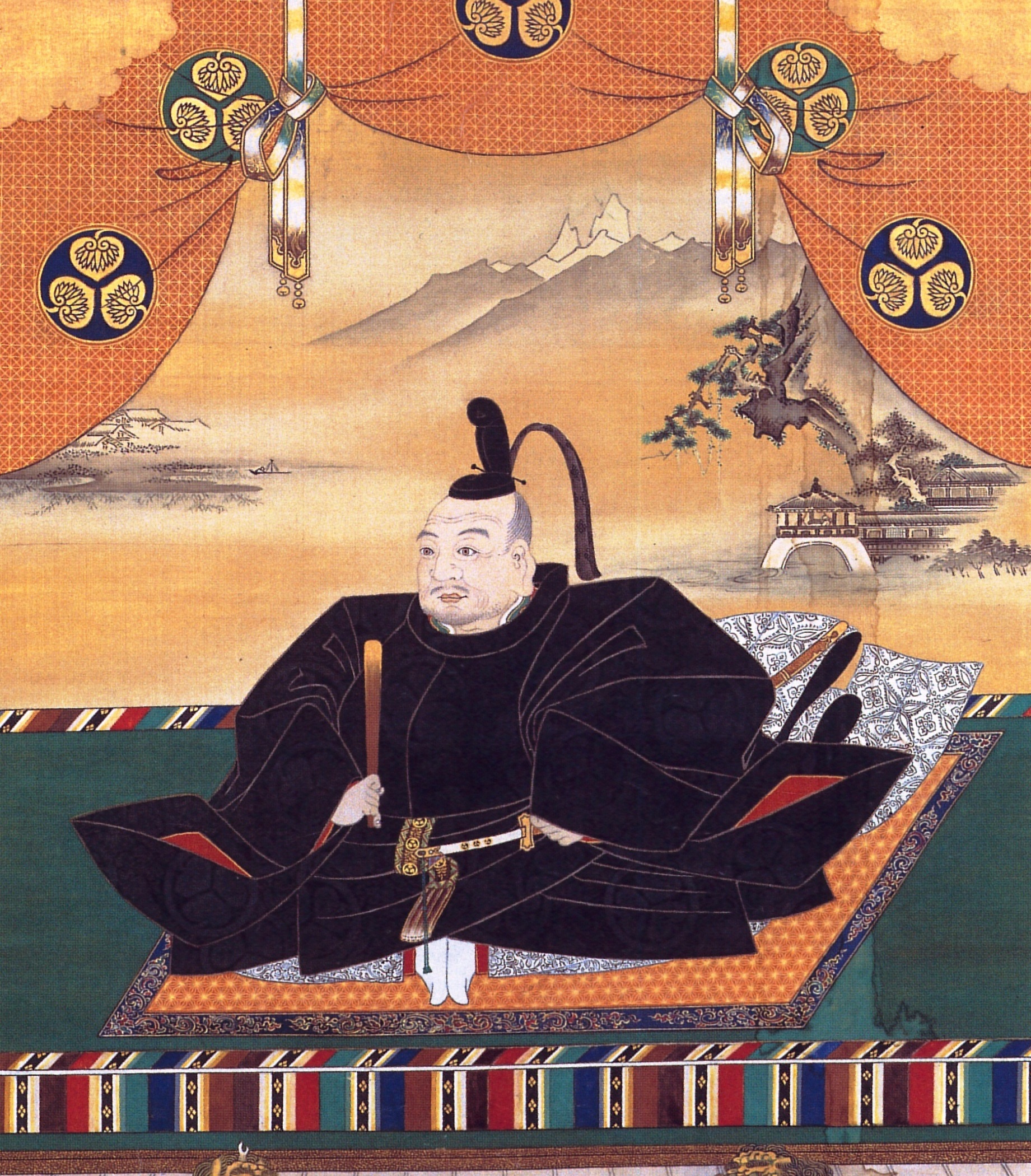 Tosho Daigongen (Tokugawa Ieyasu)徳川家康(東照大権現)Deified shogun who ruled JapanTokugawa Ieyasu, founder of the Edo shogunate, is worshipped as a deity. Nikko and Kunozan are the main centers of his worship.
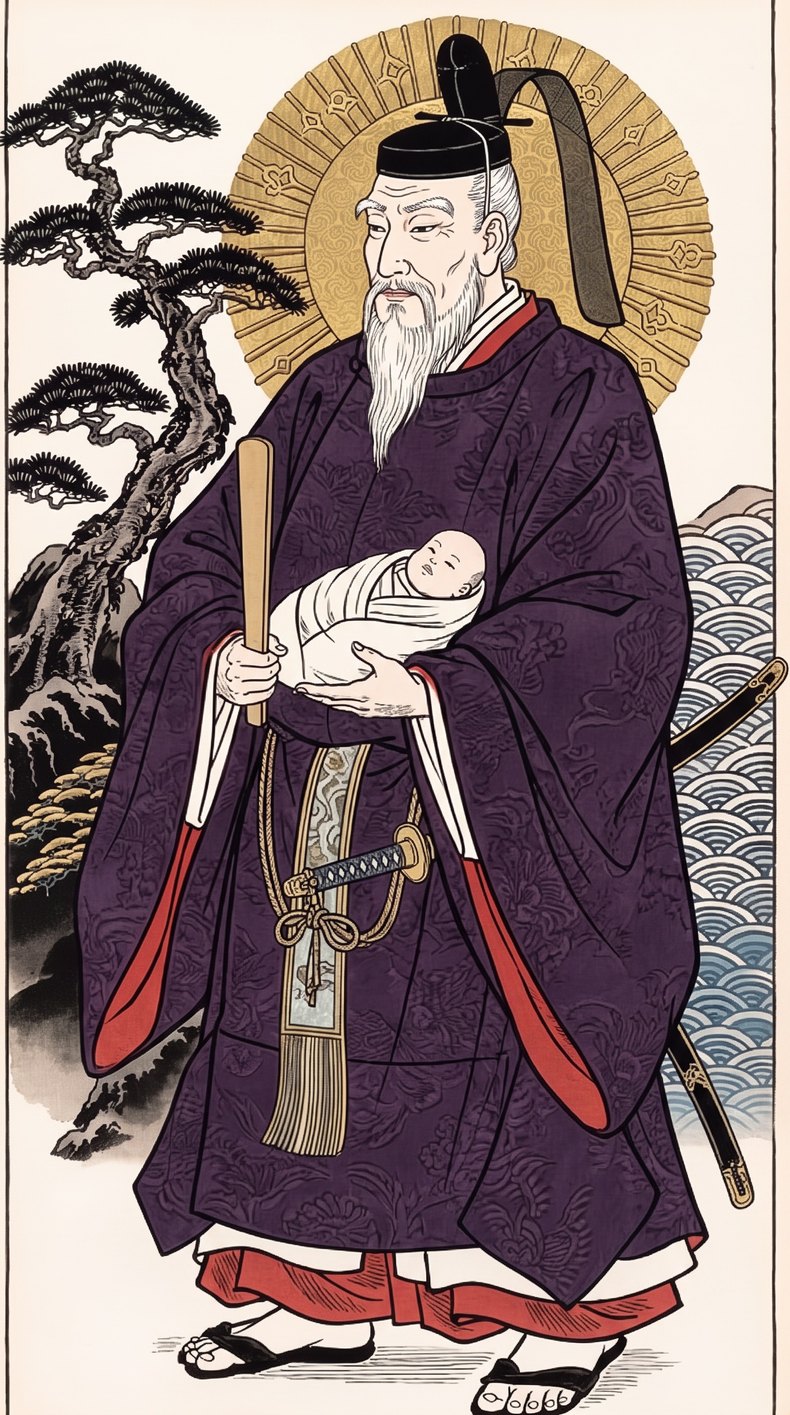 Takenouchi no Sukune武内宿禰Long-lived minister who served five emperorsA legendary loyal minister who is said to have lived for nearly 300 years and served five emperors.
 Kato Kiyomasa加藤清正Warrior of castle building and flood controlA warrior who laid the foundations of Kumamoto. After his death, people came to worship him out of respect for his achievements.
 Emperor Meiji明治天皇Emperor who led modern JapanEmperor Meiji and Empress Shoken are enshrined together. The forest of Meiji Jingu was created by people.
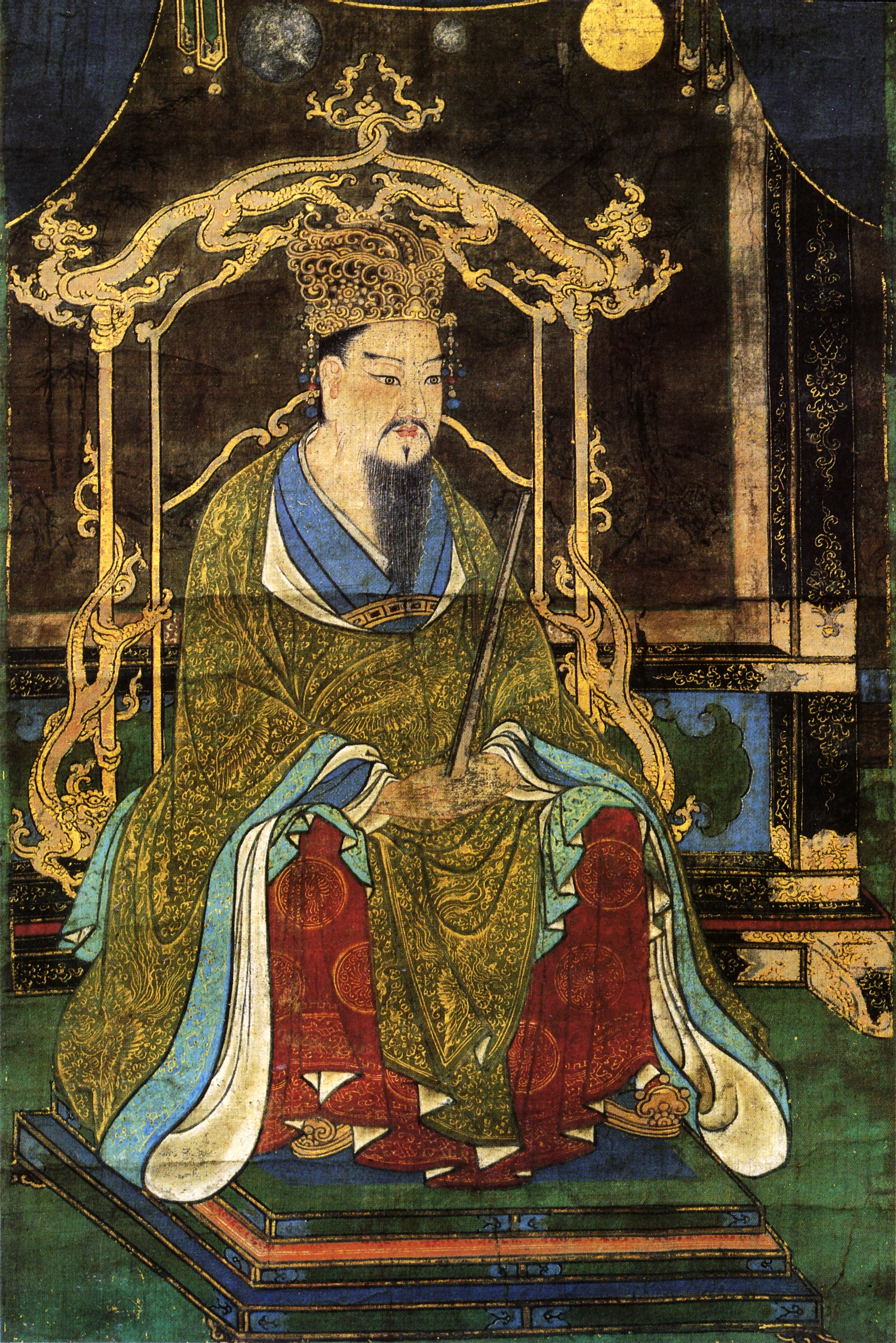 Emperor Kanmu桓武天皇Emperor who founded Heian-kyoThe emperor who moved Japan's capital to Heian-kyo. He is enshrined at Heian Jingu.
 Uesugi Kenshin上杉謙信The Dragon of EchigoA Sengoku warrior said to have never lost a battle. He was deeply devoted to Bishamonten.
 Kusunoki Masashige楠木正成公Warrior of the Northern and Southern CourtsA skilled strategist who defeated large shogunate armies with only a small force. Remembered for his loyalty, he is enshrined at Minatogawa Shrine.
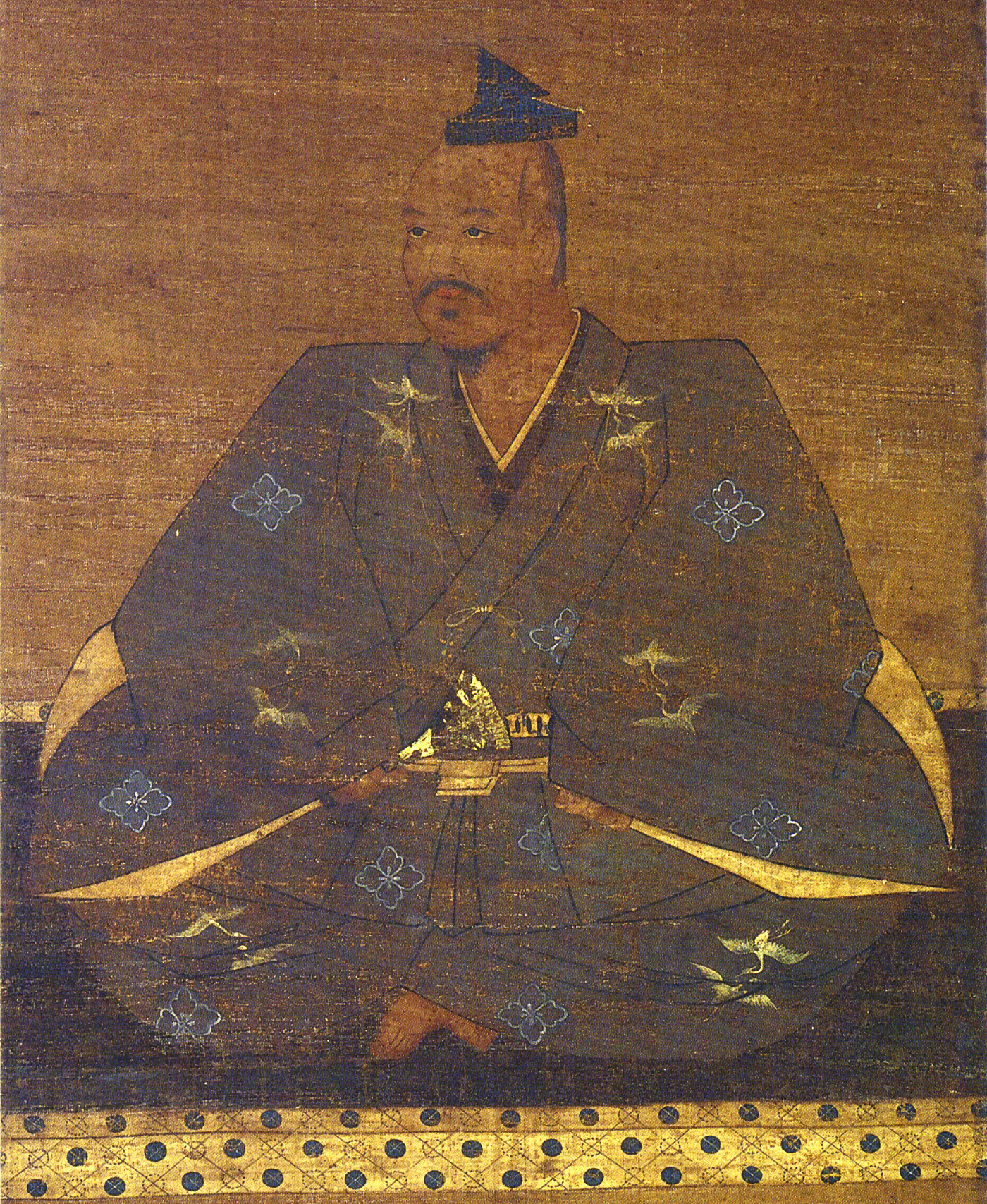 Takeda Shingen武田信玄Sengoku warlord of Kai ProvinceA Sengoku warlord known for the phrase 'Wind, Forest, Fire, and Mountain.' He is enshrined at the site of Tsutsujigasaki Residence.
 Maeda Toshiie前田利家Warrior who built the Kaga domainA warrior famous for his skill with the spear who laid the foundations of the Kaga domain. He is enshrined at Oyama Shrine in Kanazawa.
 Matsudaira Sadanobu松平定信Domain lord devoted to learningThe lord of Shirakawa who carried out the Kansei Reforms. He is worshipped as a deity of learning.
 Emperor Antoku安徳天皇Child emperor lost at Dan-no-uraJapan's 81st emperor, who is said to have entered the sea at the age of eight by traditional Japanese age counting. He is worshipped alongside a legend that he entered the Dragon Palace.Ikishiki-Iribiko五十瓊敷入彦命Prince associated with weapon makingA prince of Emperor Suinin. He is said to have overseen the making of swords and weapons.
 Sakai Tadatsugu酒井忠次公Founder of the Shonai domain's ruling familyOne of the Four Great Generals of Tokugawa. His descendants ruled the Shonai domain for many generations, and he is enshrined as an ancestor of its ruling family.
 Shimazu Nariakira島津斉彬公Domain lord who modernized SatsumaThe lord of Satsuma during the final years of the Edo period. He adopted Western technology early and helped lead Japan toward modernization.
 Fujiwara no Kamatari藤原鎌足公Founder of the Fujiwara clan and Taika reformerA leader who helped Prince Naka no Oe overthrow the Soga clan and carry out the Taika Reforms. He was later worshipped as the founder of the Fujiwara clan.
Buddhas — Buddhist deities
Buddhist figures are ranked in four tiers. How to tell Buddhist statues apart
Nyorai (Buddhas)
 Yakushi Nyorai (Medicine Buddha)薬師如来Buddha who heals illnessA Buddha who holds a medicine jar and is believed to heal illnesses of the mind and body.
 Amida Nyorai (Amitabha Buddha)阿弥陀如来Buddha of the Pure LandA Buddha who is said to welcome those who recite his name into the Pure Land in the west.
 Shaka Nyorai (Shakyamuni Buddha)釈迦如来Founder of BuddhismThe historical person who founded Buddhism and the starting point of all Buddhist teachings.
 Dainichi Nyorai (Mahavairocana)大日如来The fundamental Buddha of the universeIn esoteric Buddhism, Dainichi Nyorai is regarded as the fundamental Buddha who illuminates everything in the world.
 Birushana Butsu (Vairocana Buddha)盧舎那仏Buddha whose light shines everywhereThe central Buddha of the Flower Garland Sutra, best known as the Great Buddha of Nara.
Bosatsu (Bodhisattvas)
 Kannon (Bodhisattva of Compassion)観音菩薩Bodhisattva of compassionA bodhisattva who is said to hear people's cries, take different forms, and save everyone.
 Jizo Bosatsu地蔵菩薩Bodhisattva who saves beings in the six realmsA bodhisattva who stands beside roads and has long watched over people in everyday life.
 Kokuzo Bosatsu虚空蔵菩薩Bodhisattva of endless wisdom and blessingsA bodhisattva said to hold an endless store of wisdom and blessings, as vast as the sky.
 Miroku Bosatsu (Maitreya)弥勒菩薩Future BuddhaA bodhisattva who is said to appear 5.67 billion years after Shaka Nyorai's passing and save people.
 Monju Bosatsu文殊菩薩Bodhisattva of wisdomThe bodhisattva of learning and wisdom, known through the saying 'Three people together have the wisdom of Monju.'
 Myoken Bosatsu妙見菩薩Bodhisattva representing the North StarA bodhisattva who represents the North Star and the Big Dipper. The unmoving star symbolizes steady protection.
Myoo (Wisdom Kings)
 Fudo Myoo不動明王Wisdom King who guides with a fierce expressionA Wisdom King surrounded by flames who tries to save those who have lost their way, even by force.
 Zao Gongen蔵王権現Principal deity of Shugendo, a Buddha originating in JapanA uniquely Japanese Buddhist figure said to have appeared to En no Gyoja on Mount Kinpu in Yoshino. His dark blue body shows a fierce expression.
Tenbu (Guardian Deities)
 Benzaiten弁財天Goddess of water and the artsThe Buddhist form of Sarasvati, the Indian river goddess. She is often enshrined near water.
 Bishamonten毘沙門天Warrior guardian of the northOne of the Four Heavenly Kings who protect Buddhist teachings. He guards the north, wearing armor and holding a treasure pagoda.
 Taishakuten帝釈天Leader of the heavenly guardians of BuddhismA major heavenly guardian of Buddhism, originating from Indra, the thunder god of Indian mythology.
Great Monks
 Kobo Daishi (Kukai)弘法大師 空海Monk who founded the Shingon schoolA monk who brought esoteric Buddhism from Tang China and founded the Shingon school. He is believed to continue meditating on Mount Koya today.
 Nichiren Shonin日蓮聖人Founder of the Nichiren school who taught the Lotus SutraA monk who spread the chant 'Namu Myoho Renge Kyo.' He is especially revered at Ikegami Honmon-ji Temple, where he passed away.